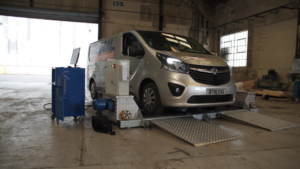
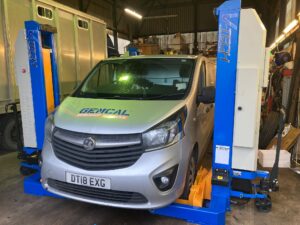
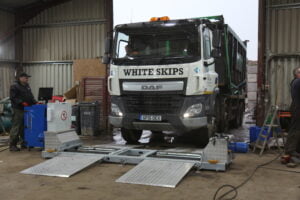
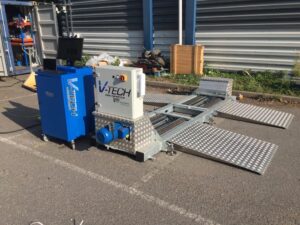
Too many times do we hear the common issue where many commercial fleet owners are wasting thousands outsourcing their brake testing. Brake testing is a legal requirement by the DVSA to guarantee the safety of all commercial vehicles on the roads, aiming to reduce the risk of incidents caused by brake failures. While each brake test holds significance, there is an external cost associated with vehicle downtime and increased maintenance expenses, particularly for large commercial fleets. Whether it involves voluntary tests, compulsory assessments, or PMIs (Preventative Maintenance Inspections), as the Commercial Fleet Owner, you are responsible for shouldering these expenses. Here are 5 reasons why you need to bring in Brake Testing:
1) Quality Control
By bringing in-house brake testing, it will allow stringent quality control measures, ensuring rigorous quality standards are maintained. Commercial Fleet owners can closely monitor each aspect of training and tailor testing procedures to meet exact specifications. This guarantees you that each brake system adheres to the desired standards.
2) Time Saving
Whilst conducting brake testing, this means the vehicle and the driver spend a long amount of time driving to and back from the testing centre as well as waiting for testing to be done. This means more time is wasted travelling preventing fleet owners from earning. In-house brake testing allows for quicker testing turnaround times, reducing downtime and allowing a more streamlined and cost-effective production schedule.
3) Save Money
In-house brake testing is more cost-effective over the long term, eliminating the need to outsource testing services and associated expenses such as paying for the test itself. Whilst there is an obvious upfront investment, long-term savings essentially outweigh these initial costs. Over time, the fleet owners benefit from reduced per-unit testing expenses, making in-house brake testing a financially sustainable choice. These can also lead to an enhanced return on investment (ROI) over time.
4) Regulatory Compliances
Regular in-house brake allows fleet owners to have better control and oversight to ensure that their brake-testing stems adhere to current regulations; meeting these standards is essential for legal compliance and in-house brake testing enables fleet owners to implement and enforce these requirements effectively.
5) Quick Issue Resolution
With in-house testing, there is a significant reduction in the time it takes to address problems. Fleet Owners, being directly involved in the testing, can swiftly investigate the root causes of issues and implement necessary fixes. This agility in problem resolution minimises delays in the product development cycle.
Ready to reduce downtime and cut external brake testing costs? Contact our experts to find out which model is suitable for your business along with an on-site meeting to demonstrate our return-on-investment analysis specific to your fleet.
Call: 0208 498 1288
Email: sales@v-techuk.com